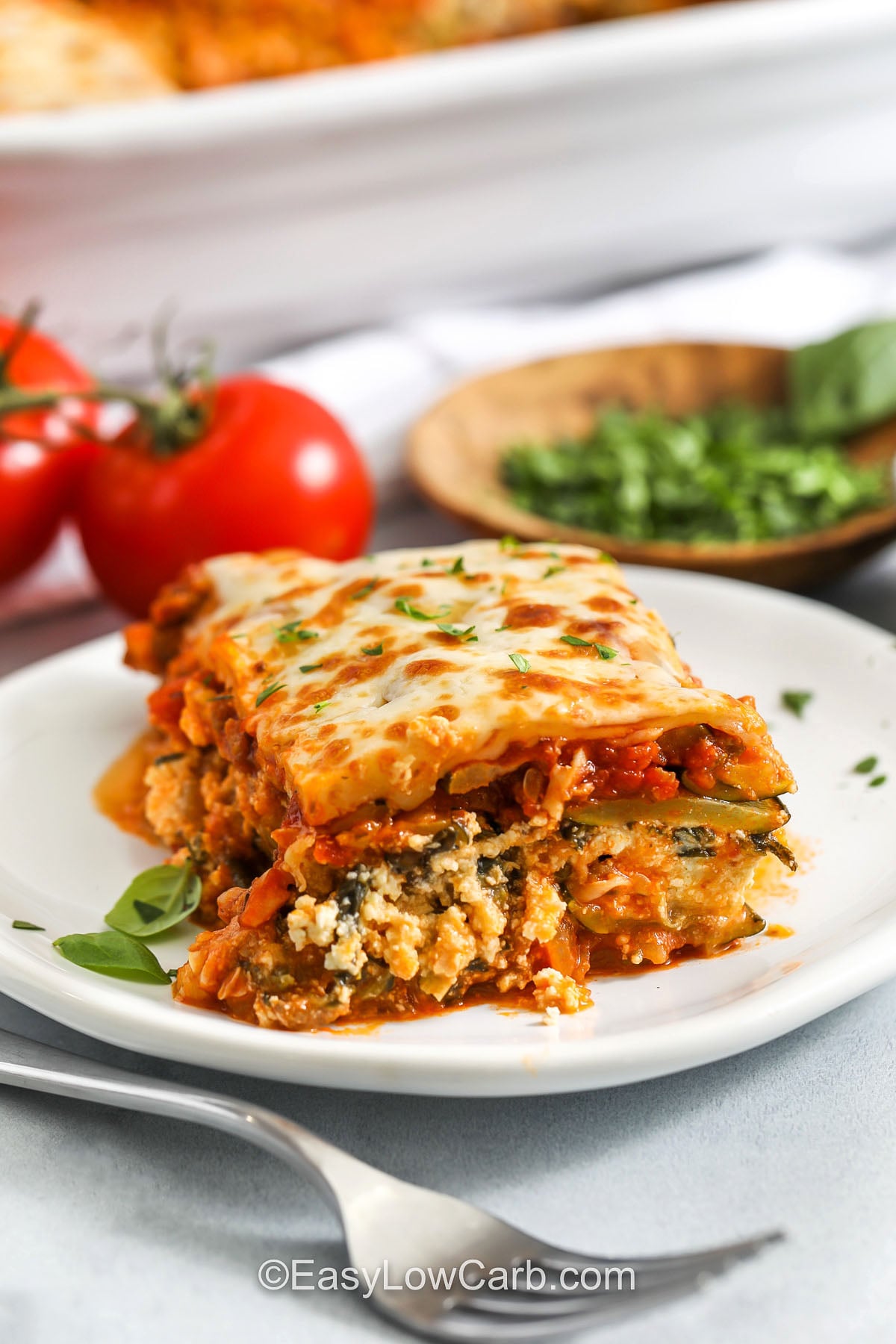
Low-Carb Zucchini Lasagna: Your Gluten-Free Noodle Swap
Imagine savoring a rich, comforting plate of lasagna without the carb overload or gluten concerns. It might sound like a culinary dream, but it's a delicious reality thanks to the ingenious **zucchini lasagna**. This innovative dish transforms the humble zucchini into delicate, tender "noodles," offering a hearty, satisfying, and utterly delicious alternative to traditional pasta. Whether you're navigating a low-carb diet, avoiding gluten, or simply looking for a wholesome way to enjoy your favorite comfort food, zucchini lasagna is a game-changer that promises all the flavor without any compromise. It's a real crowd-pleaser, perfect for family dinners or entertaining guests, proving that healthy eating can be incredibly indulgent.
Why Zucchini Lasagna is a Game-Changer for Healthy Eating
In an age where dietary preferences and health consciousness are on the rise, finding satisfying meal options that align with specific needs can be a challenge. Zucchini lasagna steps up as a versatile and incredibly flavorful solution, effortlessly fitting into various healthy eating patterns.
Embracing Low-Carb and Gluten-Free Lifestyles
For those who have embraced a low-carb lifestyle, whether for weight management, energy levels, or metabolic health, the absence of pasta can often feel like a significant sacrifice. Similarly, individuals with celiac disease or gluten sensitivity often miss the textural comfort of traditional dishes. This is where zucchini lasagna truly shines. By swapping out wheat-based noodles for thinly sliced zucchini, you dramatically reduce the carbohydrate content while making the dish entirely gluten-free.
The mild flavor of zucchini makes it an ideal substitute, absorbing the robust flavors of the meat sauce and creamy cheese filling without overpowering them. This means you get to enjoy all the rich, savory layers of a classic lasagna – the tangy tomato, the seasoned ground beef, the luscious ricotta, and melted mozzarella – without the post-meal heaviness or digestive discomfort often associated with grain-based pastas. It’s a smart choice that offers a wealth of nutrients, including vitamins A and C, potassium, and fiber, making your indulgence genuinely guilt-free.
A Smart Way to Use Your Garden's Bounty
Anyone who has ventured into backyard gardening knows the delightful, yet sometimes overwhelming, abundance that zucchini plants can produce. From late spring to early fall, these prolific plants can yield anywhere from 3 to 10 pounds of edible fruit per plant, quickly filling up your kitchen counter. Fortunately, the culinary world offers boundless ways to utilize this versatile vegetable, from sweet quick breads to savory stir-fries.
Our **zucchini lasagna** recipe stands out as one of the most beloved and practical solutions for managing a bountiful harvest. It’s a fantastic way to transform that garden abundance into a hearty, soul-satisfying dinner that pleases everyone at the table. Instead of letting beautiful squash go to waste, you can layer them into a delicious casserole, sneaking wholesome vegetables into a dish that tastes incredibly decadent. This approach not only supports sustainable eating by utilizing what you grow but also ensures your family benefits from the fresh, nutrient-rich produce straight from your garden. Discover more creative ways to embrace your harvest by reading our article:
Garden Zucchini Lasagna: A Hearty Way to Use Your Harvest.
Mastering the Art of "Never Soggy" Zucchini Lasagna
The biggest hurdle many home cooks face when preparing zucchini lasagna is preventing it from turning into a watery, unappetizing mess. Zucchini's high water content (over 90%) means that without proper preparation, it can release excessive moisture during baking, diluting your sauce and creating a soupy texture. But fear not! With a few expert techniques, you can achieve a perfectly structured, firm, and flavorful low-carb lasagna.
The Moisture Challenge: Zucchini's Secret
Understanding why zucchini dishes often turn out watery is the first step to conquering the problem. Zucchini, like many other vegetables, holds a significant amount of water within its cells. When heated during cooking, these cell walls break down, releasing that moisture. For a dish like lasagna, where you want distinct, firm layers, this water release can be detrimental. However, knowing this allows us to employ strategies to draw out or manage this excess liquid before and during the cooking process.
Essential Techniques for a Perfect Texture
Achieving that ideal "never soggy" texture requires a combination of thoughtful preparation and ingredient selection. Here are the key methods:
*
Thin Slicing is Paramount: The thickness of your zucchini slices directly impacts the final texture. Aim for slices no thicker than 1/4 inch. Thinner slices have more surface area, allowing moisture to evaporate more readily during baking, and they cook more evenly, resulting in a tender yet firm "noodle" texture. A mandoline slicer is the perfect tool for achieving uniform, consistent thinness quickly and safely (always keeping mandoline safety tips in mind!). Avoid oversized zucchini, which tend to have larger seeds and a mushier texture once cooked; opt for small to medium-sized zucchini for the best results.
*
The Salting and Drying Method (Crucial for Gluten-Free): This technique is a game-changer for moisture control. Sprinkle your thinly sliced zucchini liberally with salt (kosher salt works well) and let them sit for about 15-20 minutes. The salt will draw out a surprising amount of water through osmosis. You'll see beads of moisture form on the surface. After resting, gently pat the zucchini slices thoroughly dry with paper towels. This step is essential for a non-watery, gluten-free zucchini lasagna. For those not concerned with gluten, a light dusting of flour can also absorb moisture, but salting is the preferred gluten-free method.
*
Pre-cooking Considerations: While the salting method is highly effective, some chefs prefer to precook their zucchini slices to reduce water content further and achieve a slightly firmer texture.
*
Grilling: Quickly grill the slices until tender-crisp. This adds a nice smoky flavor and char marks.
*
Roasting: Roast the zucchini slices in the oven at a high temperature (e.g., 400°F / 200°C) for 10-15 minutes until softened and slightly browned.
While pre-cooking significantly reduces water, it can alter the zucchini's texture, making it less like a fresh noodle and more robust. Experiment to find your preferred balance.
*
Meat Sauce Moisture Management: Your meat sauce also plays a role in the overall moisture of the dish. When simmering your homemade meat sauce (lean ground beef, tomato sauce, and seasonings), do so uncovered. This allows excess moisture from the tomatoes and meat to evaporate, resulting in a thicker, richer sauce that won't contribute to a watery lasagna.
*
Strategic Cheese Choices: Not all cheeses are created equal when it comes to moisture content. For your mozzarella, opt for part-skim varieties instead of fresh mozzarella. Fresh mozzarella, while delicious, has a very high water content that can release during baking, making your lasagna soggy. Part-skim melts beautifully while keeping moisture to a minimum. When it comes to the creamy filling, you can use ricotta or cottage cheese based on your preference; ricotta is generally richer and smoother, while cottage cheese offers a lighter texture.
By diligently applying these techniques, you'll be well on your way to creating a delicious and perfectly structured
Never Soggy Zucchini Lasagna: Expert Tips for a Perfect Dish, leaving you with firm layers and maximum flavor.
Crafting Your Delicious Zucchini Lasagna: Key Ingredients & Variations
Beyond managing moisture, the quality and choice of your ingredients are what truly elevate your zucchini lasagna from good to outstanding. Each component contributes to the overall flavor, texture, and hearty appeal of this low-carb masterpiece.
Selecting the Perfect Zucchini
As discussed, the size and quality of your zucchini are crucial. Always choose small to medium-sized zucchini. These tend to be firmer, have fewer and smaller seeds, and offer a more consistent, delicate texture ideal for "noodles." Large, oversized zucchini often have tough skin, large, watery seeds, and a somewhat mushy, less flavorful flesh. When selecting, look for firm, blemish-free zucchini with vibrant green skin.
Building the Flavorful Layers
A truly exceptional lasagna is all about the layers, each contributing a unique flavor and texture to the whole.
*
The Meat Sauce: This forms the backbone of your lasagna's flavor profile. Start with a good quality lean ground beef, or for a different twist, use ground turkey, Italian sausage, or a combination. Brown the meat thoroughly, then drain any excess fat. Add aromatic vegetables like finely diced onions and garlic, sautéing until fragrant. Incorporate rich crushed tomatoes or tomato sauce, seasoned with classic Italian herbs like oregano, basil, and a touch of thyme. A bay leaf can add depth. Simmering the sauce slowly and uncovered for at least 30 minutes (or even longer for richer flavor) is key to allowing the flavors to meld and excess moisture to evaporate, resulting in a robust, thick sauce. A pinch of red pepper flakes can introduce a subtle warmth and complexity.
*
The Creamy Cheese Filling: This layer provides a luxurious creaminess that balances the savory meat sauce. The traditional choice is ricotta cheese, known for its rich, smooth texture. Some prefer cottage cheese for a lighter, tangier profile; both work wonderfully. To this, mix in grated Parmesan cheese for a salty, nutty depth, an egg to help bind the mixture and prevent it from becoming too watery, and finely chopped fresh parsley for a burst of freshness. Don't forget to season the cheese mixture well with salt, black pepper, and perhaps a pinch of nutmeg, which beautifully complements dairy.
*
The Mozzarella: We've already highlighted the importance of using part-skim mozzarella for moisture control. This cheese provides that quintessential gooey, stretchy, melted goodness that defines lasagna. Shredding your own block of mozzarella often yields better results than pre-shredded varieties, which sometimes contain anti-caking agents.
Beyond Beef: Creative Swaps and Additions
While a classic beef zucchini lasagna is undeniably delicious, don't hesitate to get creative and tailor the recipe to your preferences or dietary needs.
*
Vegetarian Zucchini Lasagna: Easily transform this into a meatless marvel. Replace the ground beef with sautéed mushrooms, cooked lentils, crumbled vegetarian protein, or a hearty mixture of spinach and artichoke hearts. Roasted vegetables like bell peppers and eggplant can also add wonderful texture and flavor.
*
Different Cheeses: Experiment with other cheeses alongside or instead of mozzarella. Layers of provolone, smoked gouda, or even a sharp cheddar can add unique flavor dimensions.
*
Spice it Up: For those who love a bit of heat, increase the red pepper flakes in your meat sauce or add a dash of cayenne.
*
Fresh Herbs: Beyond parsley, consider adding fresh basil leaves between layers, or a sprinkle of fresh oregano before baking for an aromatic boost.
Tips for Assembly, Baking, and Serving Your Masterpiece
The final steps of assembling, baking, and serving your zucchini lasagna are just as important as the preparation in ensuring a perfect dish.
Layering for Success
Proper layering prevents the lasagna from falling apart and ensures every bite is a balanced combination of flavors and textures.
*
Start with a Thin Sauce Layer: Begin by spreading a thin layer of meat sauce on the bottom of your baking dish. This prevents the zucchini from sticking and adds moisture from below.
*
Zucchini "Noodle" Placement: Arrange your prepared zucchini slices over the sauce. Overlap them slightly to create a continuous "noodle" layer with no gaps.
*
Alternating Layers: Follow with a generous layer of the creamy cheese mixture, then sprinkle with part-skim mozzarella. Repeat the layers: zucchini, meat sauce, cheese mixture, mozzarella. Finish with a final layer of zucchini topped with meat sauce and a generous amount of mozzarella cheese.
Baking to Perfection
Baking zucchini lasagna requires a careful approach to ensure it cooks through without drying out or becoming too watery.
*
Initial Covered Bake: Cover your lasagna dish tightly with foil. This traps steam, allowing the zucchini to cook thoroughly and become tender. Bake covered at around 375°F (190°C) for 30-45 minutes.
*
Uncovered for Browning: Remove the foil and continue baking for another 15-20 minutes, or until the cheese is bubbling, golden brown, and slightly caramelized. If you notice any excessive moisture pooling, carefully drain it before the final uncovered bake.
*
The Crucial Resting Time: This step is often overlooked but is absolutely vital for any lasagna, especially one made with zucchini. Once baked, remove the lasagna from the oven and let it rest for at least 15-20 minutes (or even longer) before slicing and serving. This allows the layers to set and firm up, preventing a messy, crumbly presentation and ensuring clean, beautiful slices.
Serving Suggestions
Your magnificent low-carb zucchini lasagna is a meal in itself, but it pairs beautifully with a few simple accompaniments.
*
Fresh Green Salad: A light, crisp green salad with a vinaigrette dressing provides a refreshing counterpoint to the rich lasagna.
*
Gluten-Free Bread: If you miss bread with your meal, opt for a toasted slice of gluten-free garlic bread.
*
Wine Pairing: A medium-bodied red wine, such as a Chianti or Merlot, complements the robust flavors of the meat sauce perfectly.
Conclusion
Low-carb zucchini lasagna is more than just a recipe; it's a testament to how creative cooking can transform traditional favorites into healthy, diet-friendly masterpieces. By skillfully swapping out high-carb noodles for fresh zucchini, you unlock a world of flavor that is both deeply satisfying and incredibly nutritious. With the right techniques for moisture management and a thoughtful selection of quality ingredients, you can easily create a "never soggy," perfectly layered, and utterly delicious dish that will undoubtedly become a staple in your culinary repertoire. Whether you're managing a garden abundance or simply seeking a healthier alternative to a beloved classic, this gluten-free noodle swap offers all the hearty comfort of traditional lasagna without any of the guilt. So, gather your ingredients, follow these tips, and prepare to enjoy a truly remarkable, crowd-pleasing meal!