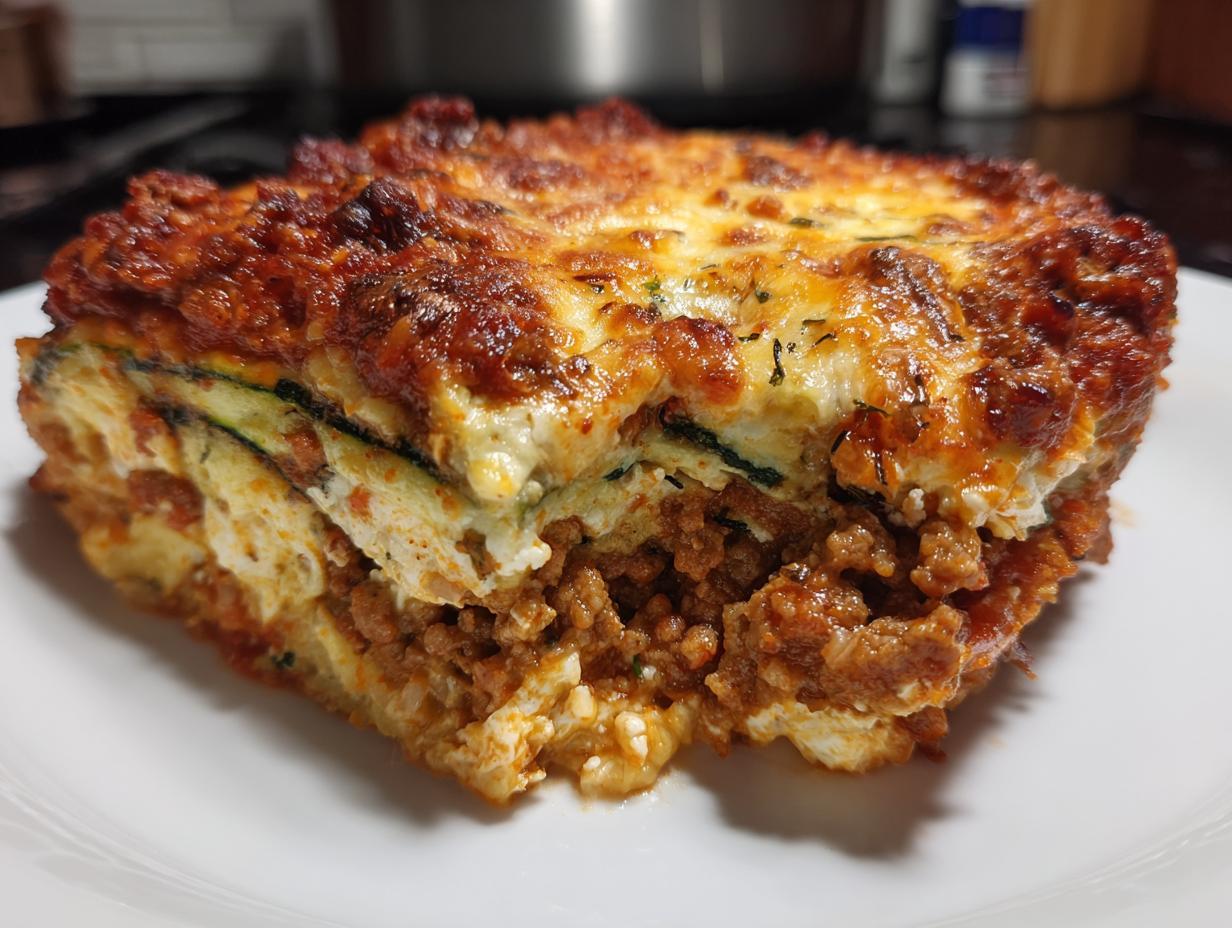
The quest for the perfect lasagna often ends in a delicious, comforting dish, but when zucchini steps in for traditional noodles, a common culinary challenge arises: sogginess. Fear not, home cooks and garden enthusiasts! The dream of a hearty, flavorful, and structurally sound zucchini lasagna is not only achievable but remarkably simple with the right expert tips. Get ready to transform your abundant zucchini harvest into a show-stopping, never-soggy masterpiece that’s both low-carb and gluten-free, without sacrificing an ounce of satisfaction.
The Culinary Canvas: Why Zucchini Lasagna Shines
Imagine all the elements you adore in a classic lasagna: rich, savory meat sauce, creamy layers of cheese, and the comforting warmth of a baked casserole. Now, envision all that goodness, but with a lighter, vegetable-forward twist. That's the magic of zucchini lasagna. It’s a brilliant culinary solution, especially for those with backyard gardens experiencing a prolific zucchini season. Instead of heavy pasta, thin slices of fresh zucchini act as the perfect, tender "noodles," offering a delightful texture and a boost of wholesome nutrition.
This ingenious swap isn't just about using up extra veggies; it transforms a beloved comfort food into a versatile dish that caters to various dietary needs. For those seeking to reduce carbohydrate intake, low-carb zucchini lasagna is an absolute game-changer. Similarly, individuals following a gluten-free diet will find it an excellent alternative to traditional noodle-based recipes, proving that Low-Carb Zucchini Lasagna: Your Gluten-Free Noodle Swap can be incredibly delicious and satisfying. It captures the essence of classic Italian-American flavors while infusing them with the freshness of summer produce, making it a crowd-pleaser that everyone can enjoy.
Beyond its health benefits, zucchini lasagna is incredibly satisfying. It delivers that hearty, soul-warming experience without the heaviness often associated with traditional pasta dishes. Plus, it's an incredibly clever way to sneak extra vegetables into your family's dinner—a win-win for parents everywhere! If you’re overwhelmed by your garden's generosity, remember that Garden Zucchini Lasagna: A Hearty Way to Use Your Harvest is not just a recipe; it's a celebration of seasonal abundance.
Unmasking the Moisture Mystery: How to Prevent a Soggy Outcome
The number one complaint about zucchini lasagna is its tendency to turn out watery or soggy. Zucchini is, after all, over 90% water! However, with a few strategic techniques, you can ensure your lasagna remains firm, flavorful, and perfectly structured. The key lies in understanding and managing that inherent moisture content from start to finish.
The Zucchini Prep Masterclass
The foundation of a non-soggy zucchini lasagna begins with how you handle the star ingredient itself.
- Thin Slicing is Non-Negotiable: This is arguably the most critical step. Zucchini slices should be no thicker than 1/4 inch, ideally closer to 1/8 inch. Thinner slices cook more evenly, release less water, and provide a more delicate, noodle-like texture.
- Expert Tool: A mandoline is your best friend here. It ensures consistent, thin slices quickly and efficiently. Always remember to use the safety guard to protect your fingers!
- Zucchini Choice: Opt for small to medium-sized zucchini. Larger zucchini tend to have more water content, larger seeds, and can be mushier, which is detrimental to your lasagna's texture.
- The Salting Method (The Gluten-Free Hero): For a truly gluten-free lasagna, skipping flour is essential. Instead, sprinkle your thinly sliced zucchini liberally with salt (kosher or sea salt works best).
- How it Works: Salt draws out moisture through osmosis. Let the salted zucchini sit for at least 15-20 minutes. You'll visibly see beads of water form on the surface.
- Crucial Next Step: Vigorously pat the zucchini slices dry with paper towels. Don't be shy; remove as much surface moisture as possible. This simple step makes a dramatic difference in preventing a watery zucchini lasagna.
- The Flour Dusting Method (The Gluten-Containing Solution): If gluten isn't a concern, tossing the zucchini strips with a light dusting of all-purpose flour before layering can work wonders. The flour acts as an absorbent, soaking up excess moisture as the casserole bakes. Use just enough to lightly coat, not clump.
- Pre-Cooking Zucchini (An Optional Layer of Defense): While not strictly necessary if you employ the salting or flour methods, pre-cooking the zucchini can further reduce its water content.
- Grilling or Roasting: Briefly grilling or roasting the slices until they are slightly tender and show some char marks will evaporate significant moisture.
- Considerations: Be mindful that this extra step adds time and can slightly alter the zucchini's texture, making it softer. If you choose this method, ensure the zucchini is not fully cooked through, as it will continue to cook in the oven. Aim for a partial cook, just enough to dry it out.
Sauce & Cheese: The Unsung Heroes of Dry Lasagna
The zucchini itself isn't the only source of moisture. Your other ingredients play a significant role too.
- Meat Sauce Management: A wet meat sauce will inevitably contribute to a soggy lasagna.
- Simmer Uncovered: When making your meat sauce (with lean ground beef, turkey, or even a mix of ground Italian sausage), simmer it uncovered for a good 30-60 minutes. This allows excess moisture to evaporate, concentrating the flavors and thickening the sauce naturally.
- Drain Excess: After cooking, if you notice any excess liquid or fat, carefully drain it from the sauce before layering.
- Strategic Cheese Choices: Your cheese selection and preparation also impact the final dish.
- Part-Skim Mozzarella is Key: While fresh mozzarella is delicious, it contains a high percentage of water. For lasagna, opt for part-skim, low-moisture mozzarella, ideally shredded from a block. Pre-shredded varieties often contain anti-caking agents that can interfere with melting.
- Ricotta vs. Cottage Cheese: Both can be used for the creamy layer. Ricotta is traditionally smoother and richer, while cottage cheese offers a tangier flavor and curds. Whichever you choose, consider draining it first. Place it in a fine-mesh sieve lined with cheesecloth and let it sit for 30 minutes to an hour to release any excess liquid. Adding an egg to your cheese mixture also helps with binding and structure.
Crafting Layers of Perfection: Beyond the Basics
Once your ingredients are properly prepped, the assembly and baking process become the final frontiers against sogginess and for flavor perfection.
- Thoughtful Layering: Don't overload each layer. Distribute your sauce, zucchini, and cheese evenly. Overpacking can trap moisture, preventing it from evaporating during baking. A good sequence typically involves a thin layer of sauce on the bottom, followed by zucchini, cheese mixture, then more sauce, and so on, finishing with a generous cheese topping.
- Baking Temperature and Time: Bake your zucchini lasagna at a moderate temperature (around 375-400°F or 190-200°C) until bubbly and golden brown. If it starts to brown too quickly, tent it loosely with foil. The heat ensures the zucchini cooks through and any remaining moisture has a chance to steam away.
- The Golden Rule of Resting: This step is often overlooked but is absolutely crucial for any lasagna, especially one made with high-moisture vegetables. Once out of the oven, let your lasagna rest for at least 15-20 minutes, or even 30 minutes, before slicing and serving. This allows the layers to set, the cheeses to firm up, and any lingering juices to reabsorb, preventing it from collapsing into a watery mess on your plate.
By implementing these expert tips, you'll find that making a never soggy zucchini lasagna isn't a daunting task, but a straightforward culinary pleasure. From carefully selecting and preparing your zucchini to meticulously managing your sauce and cheese, every step contributes to a robust, flavorful, and structurally perfect dish that will impress even the most discerning palate.
So, next time life gives you zucchini, embrace it! With these strategies, you’re equipped to create a lasagna that is not only delightfully healthy and packed with garden-fresh goodness but also perfectly firm and undeniably delicious, every single time. Say goodbye to soggy, and hello to your new favorite way to enjoy this classic comfort food!
